skinbetter science
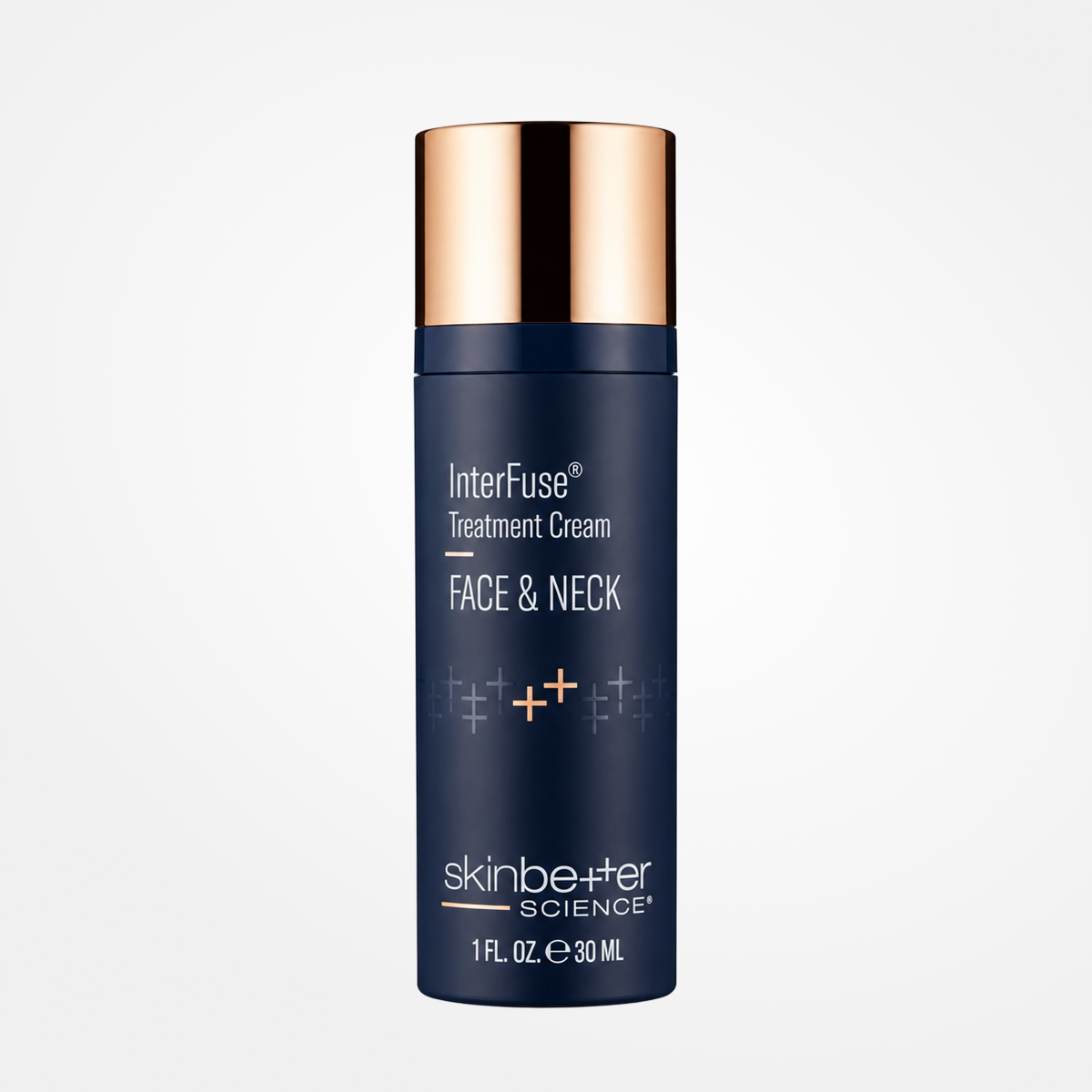
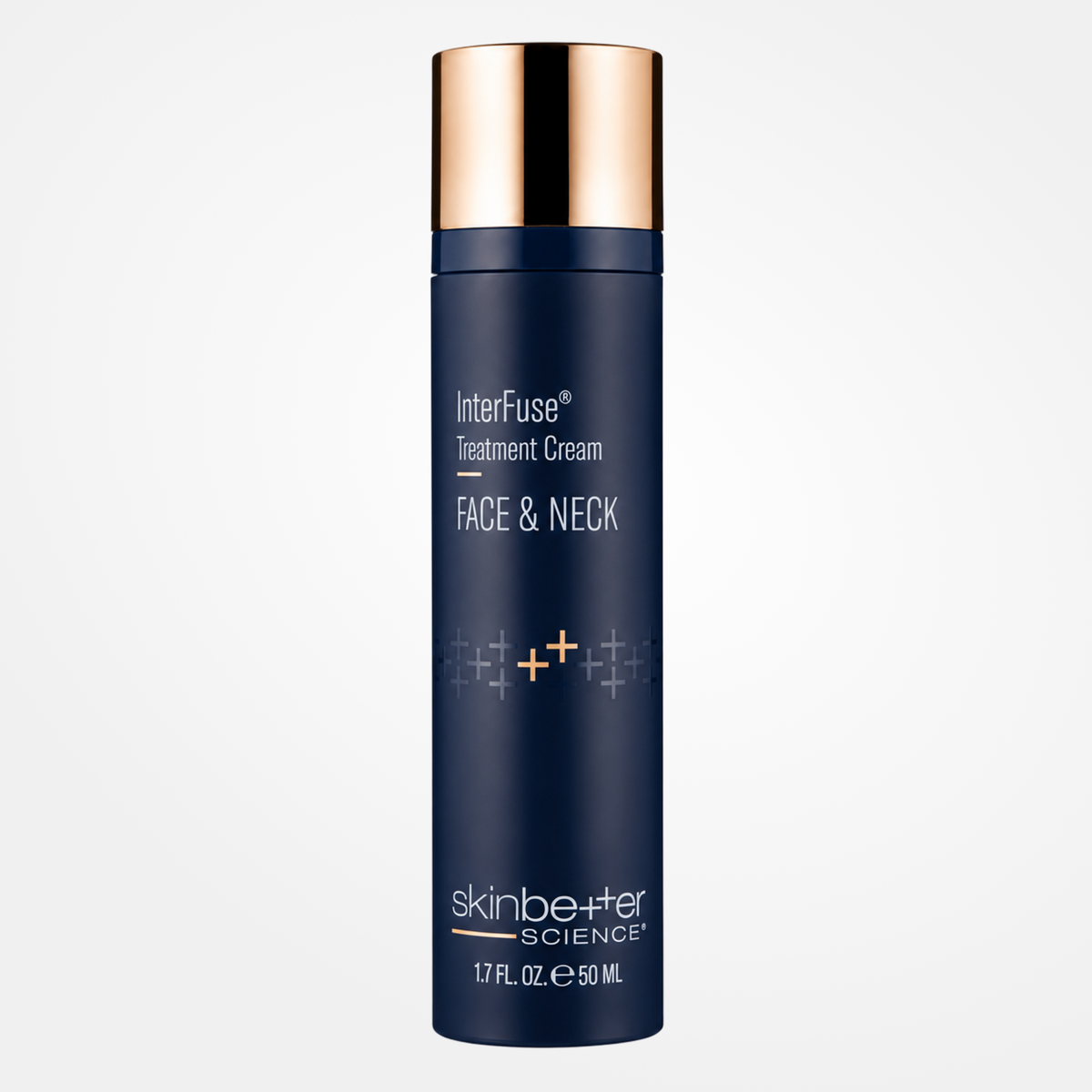
skinbetter science InterFuse® Treatment · Cream — FACE & NECK
skinbetter science InterFuse® Treatment · Cream — FACE & NECK
Couldn't load pickup availability
▪ What is skinbetter science InterFuse® Treatment Cream FACE & NECK?
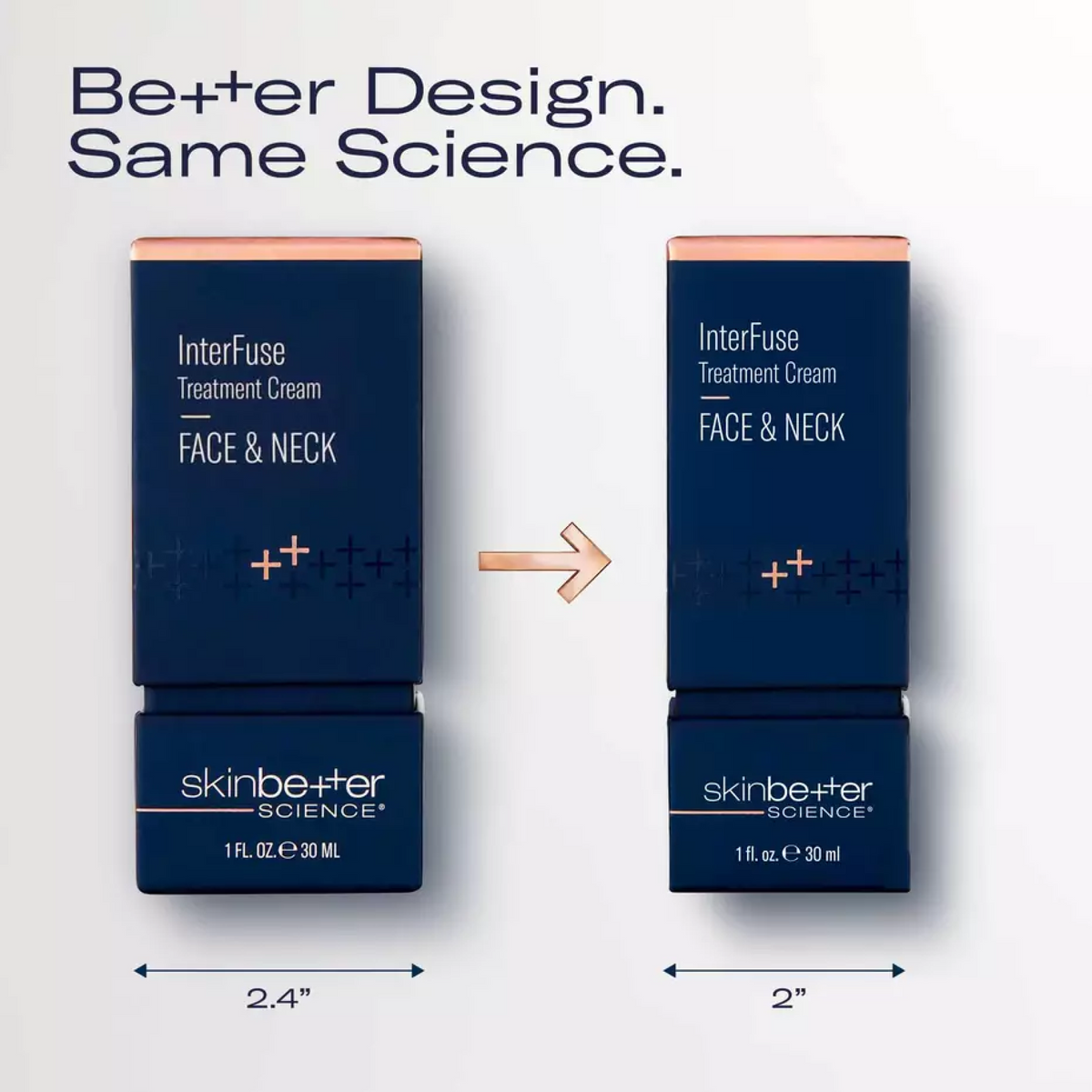
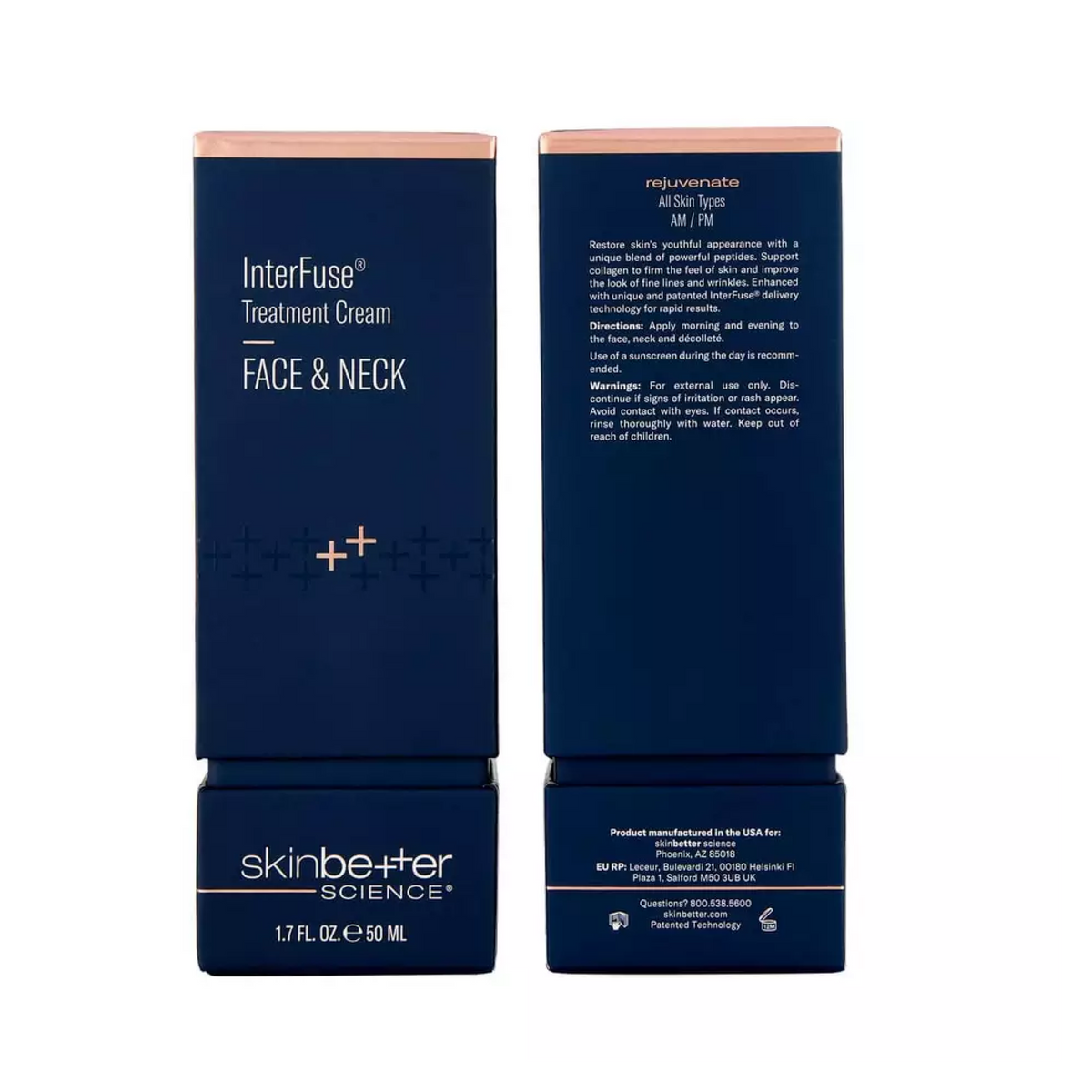
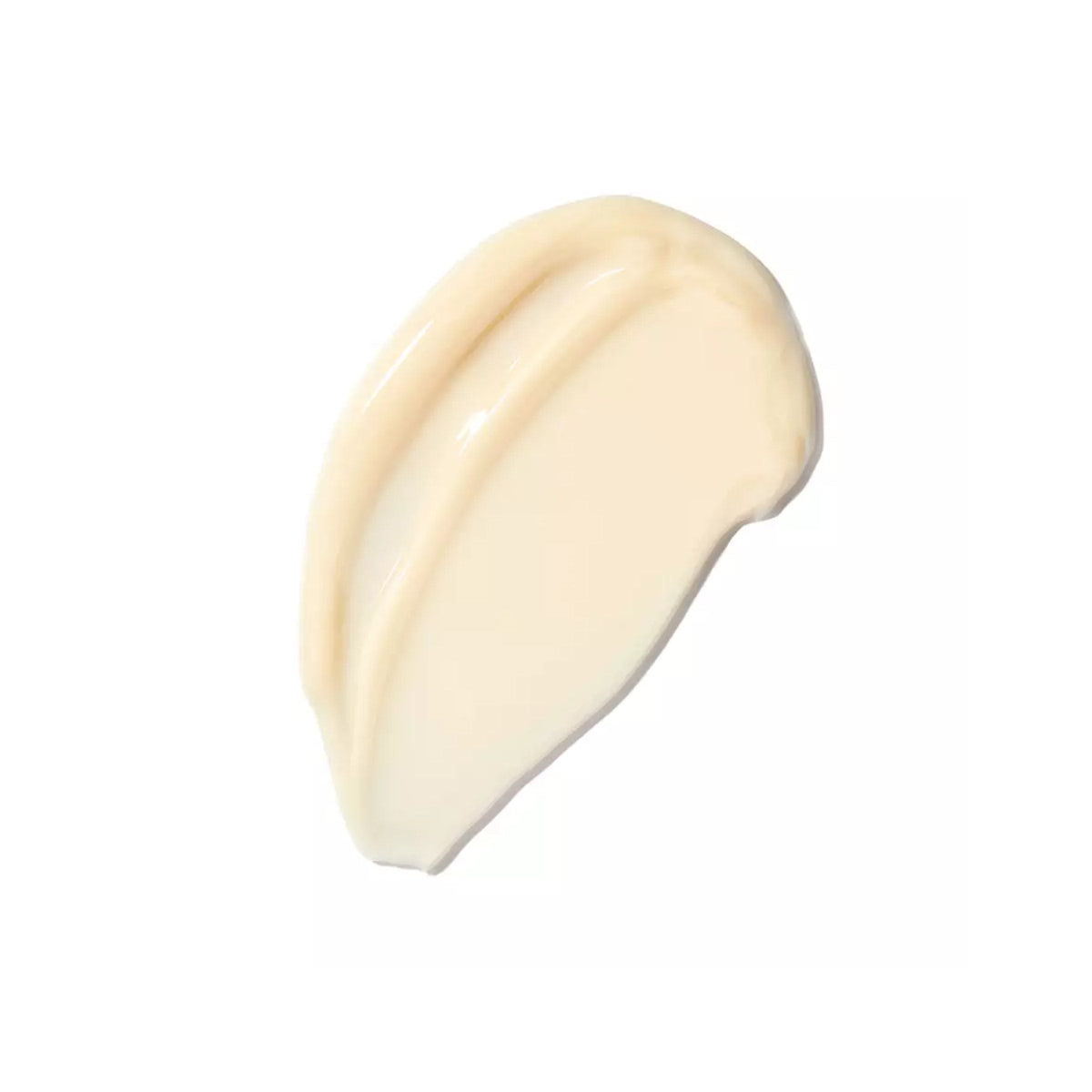
InterFuse® Treatment Cream FACE & NECK is a peptide-rich treatment cream that supports the visible signs of collagen and elastin loss for firmer, younger-looking skin. It is built on patented InterFuse Technology, which assists in the efficient delivery of large, intact molecules such as peptides so they reach where they are needed. The formula combines a collagen-supporting peptide blend, an elastin-supporting peptide and a neuro-calming peptide with potent olive-derived polyphenols, squalane and glycerin. It improves the appearance of skin sagging, firmness, lines, wrinkles and loss of elasticity on both the face and the neck. Available in 30 ml at $150 and 50 ml at $210.
Sourced direct through official skinbetter science channels: guaranteed authentic, batch-fresh, fast US shipping.
• The problem
Most anti-aging routines stop at the jawline. Yet the neck and decollete have thinner skin, fewer oil glands and far more daily movement, so laxity, crepiness and horizontal lines appear there earlier and read as age faster than anything on the face. Many face creams are too heavy or too active to carry down the neck comfortably, which leaves the area under-treated for years.
One cream for the face, neck and decollete, where aging shows first.
InterFuse Treatment Cream FACE & NECK was formulated to be used on both zones at once. Patented InterFuse Technology amplifies the delivery of intact macromolecules, so the collagen-supporting, elastin-supporting and neuro-calming peptides are not simply sitting on the surface. Olive polyphenols add antioxidant support while squalane and glycerin keep the finish comfortable enough for twice-daily use on delicate neck skin. It was evaluated in a dermatologist-led clinical trial in 52 patients following twice-daily application over 12 weeks, with results published in the Journal of Cosmetic Dermatology, 2022.
Share