skinbetter science · Even
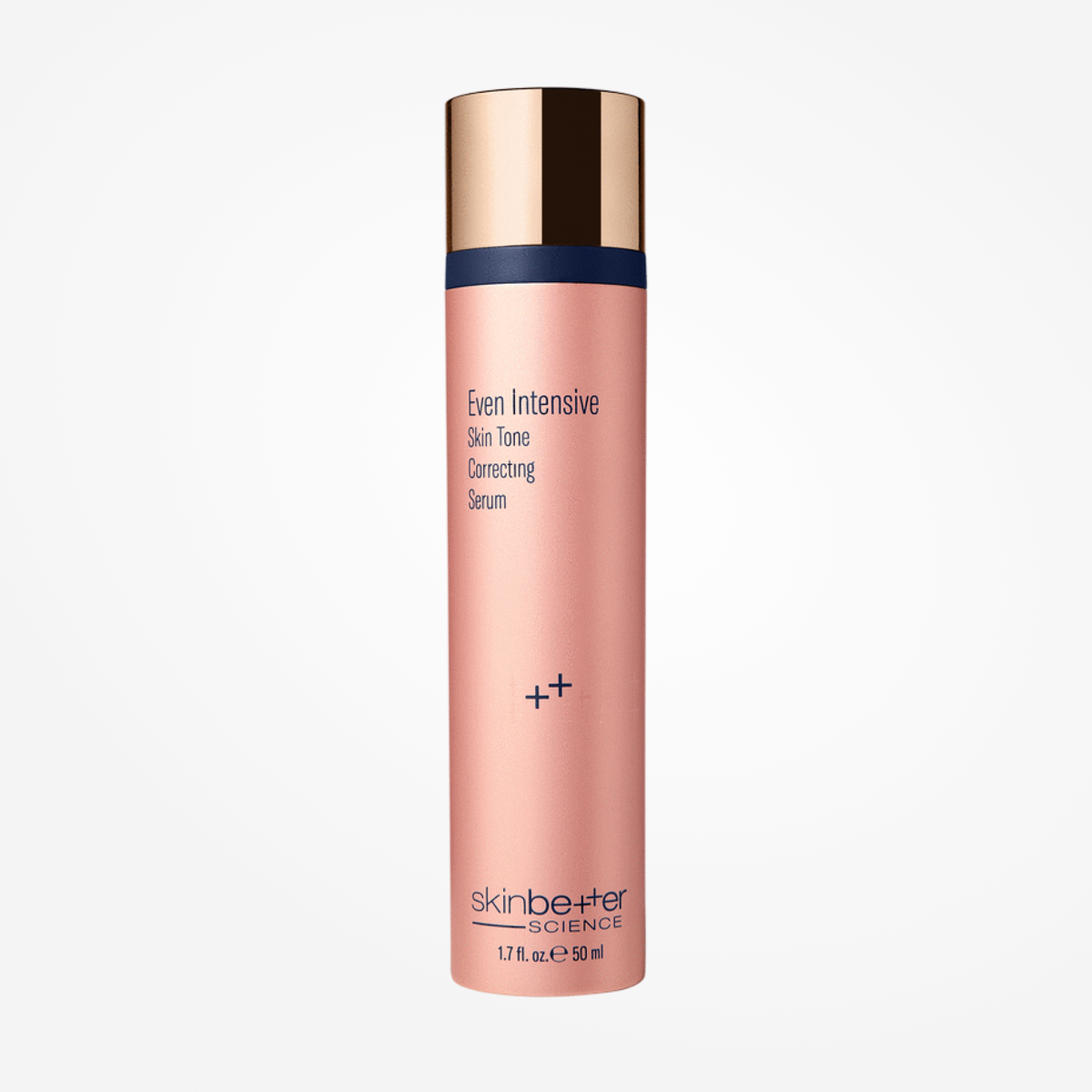
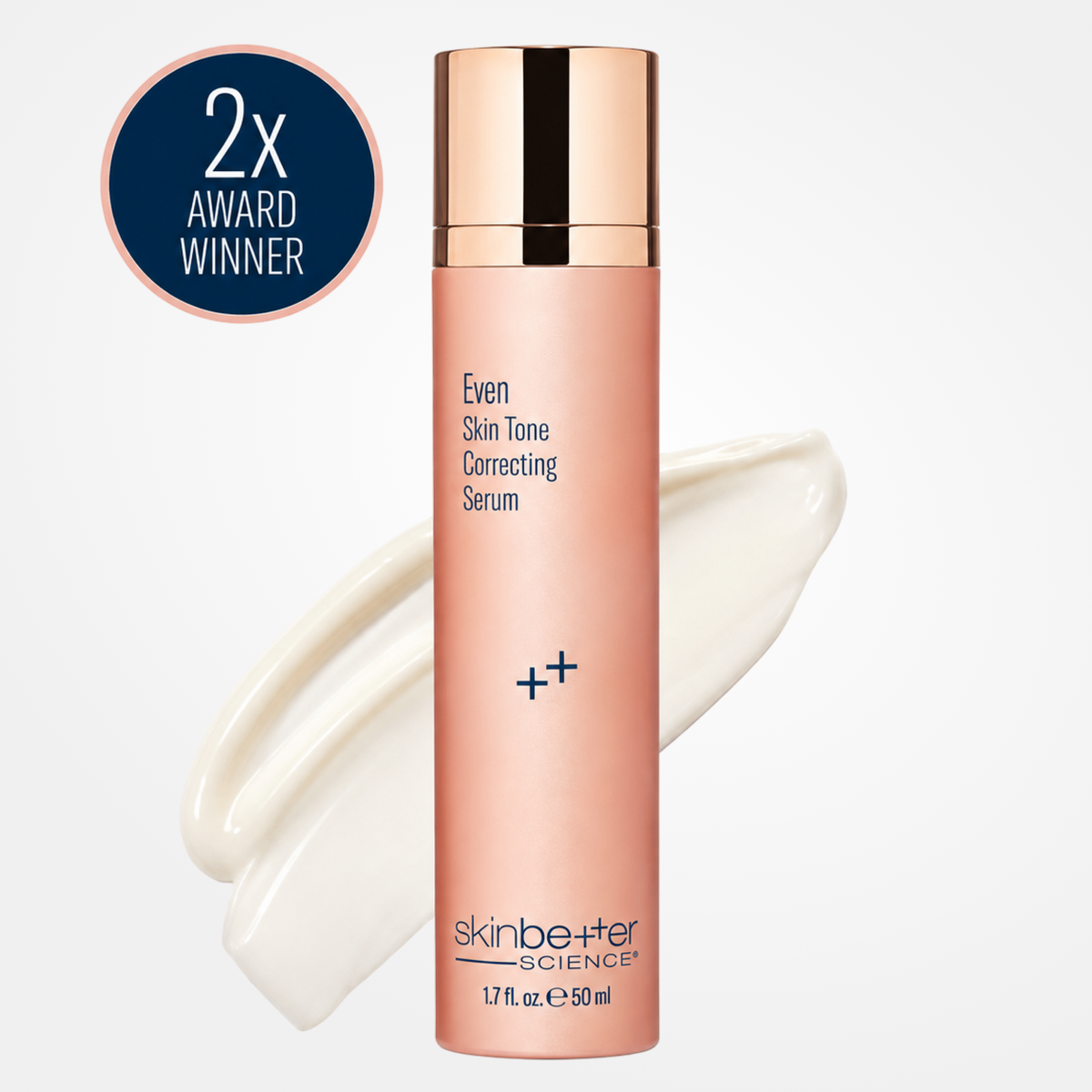
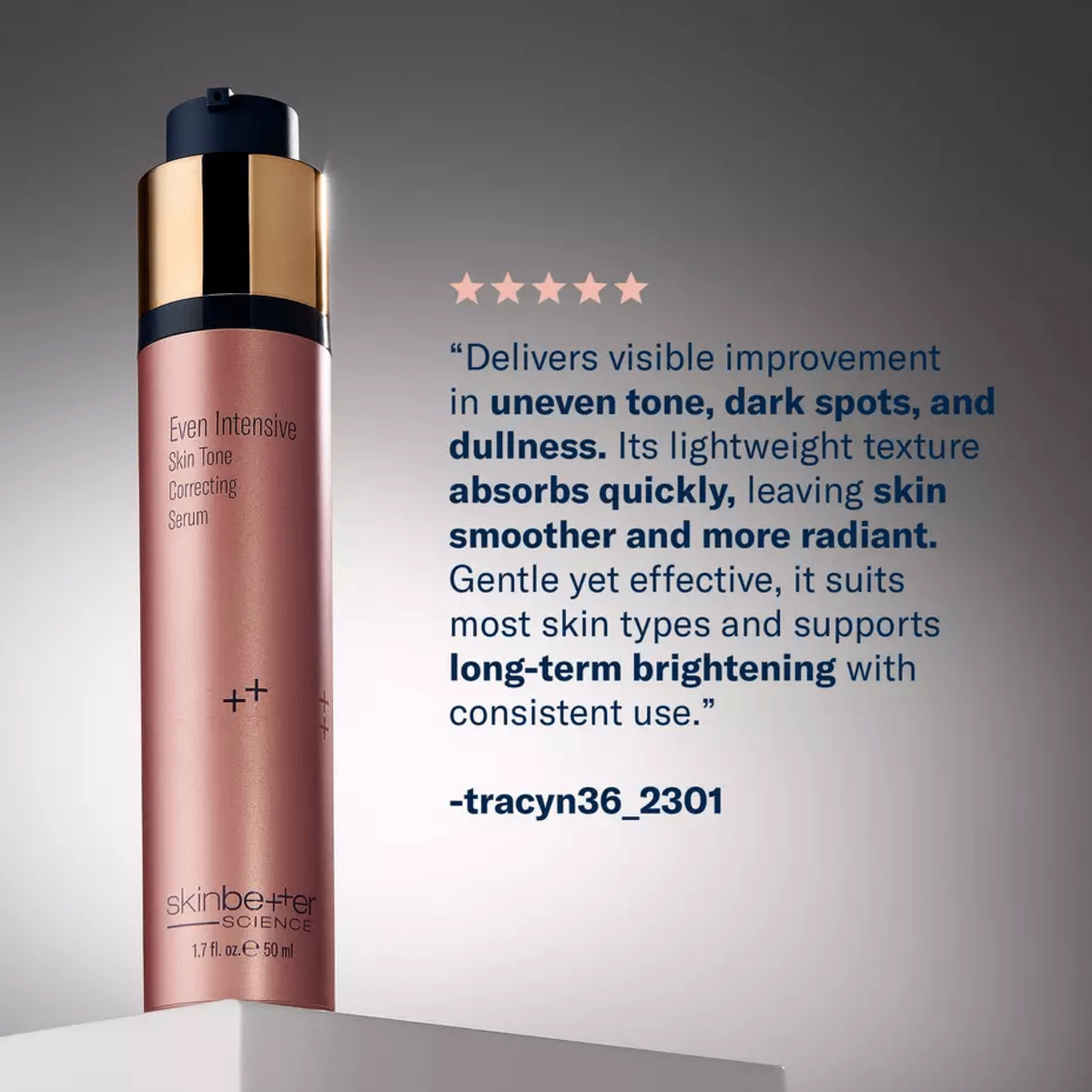
What is skinbetter science Even Intensive Skin Tone Correcting Serum?
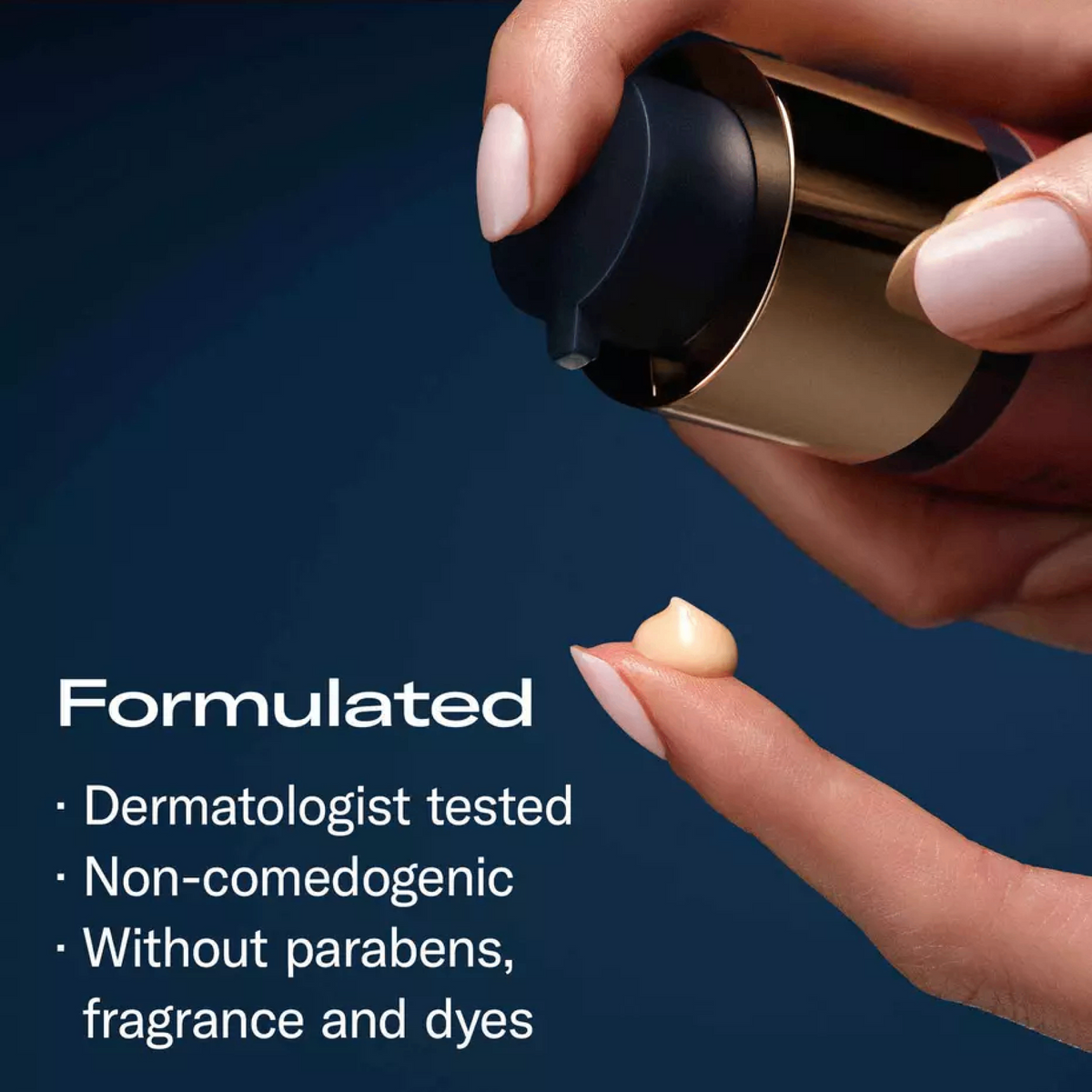
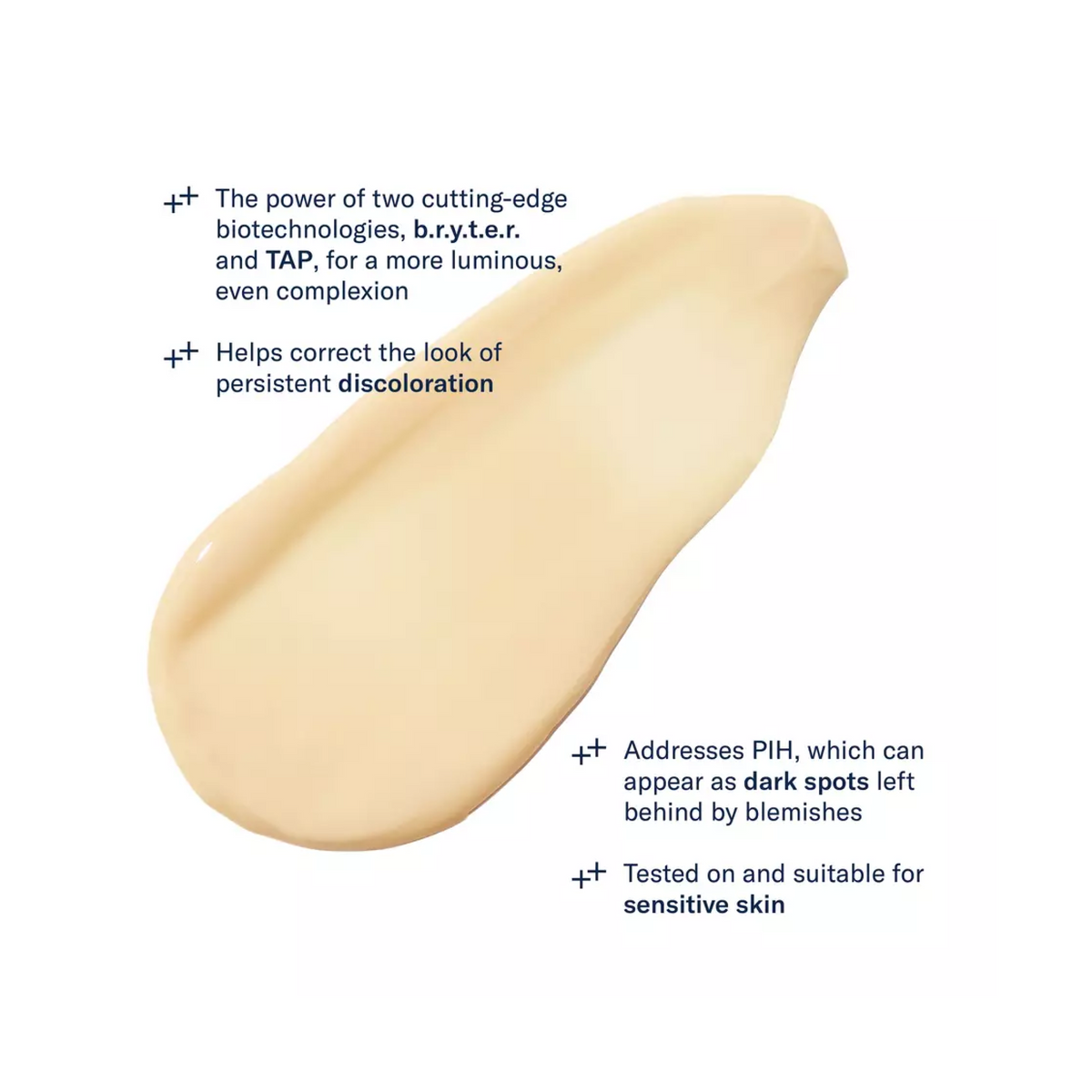
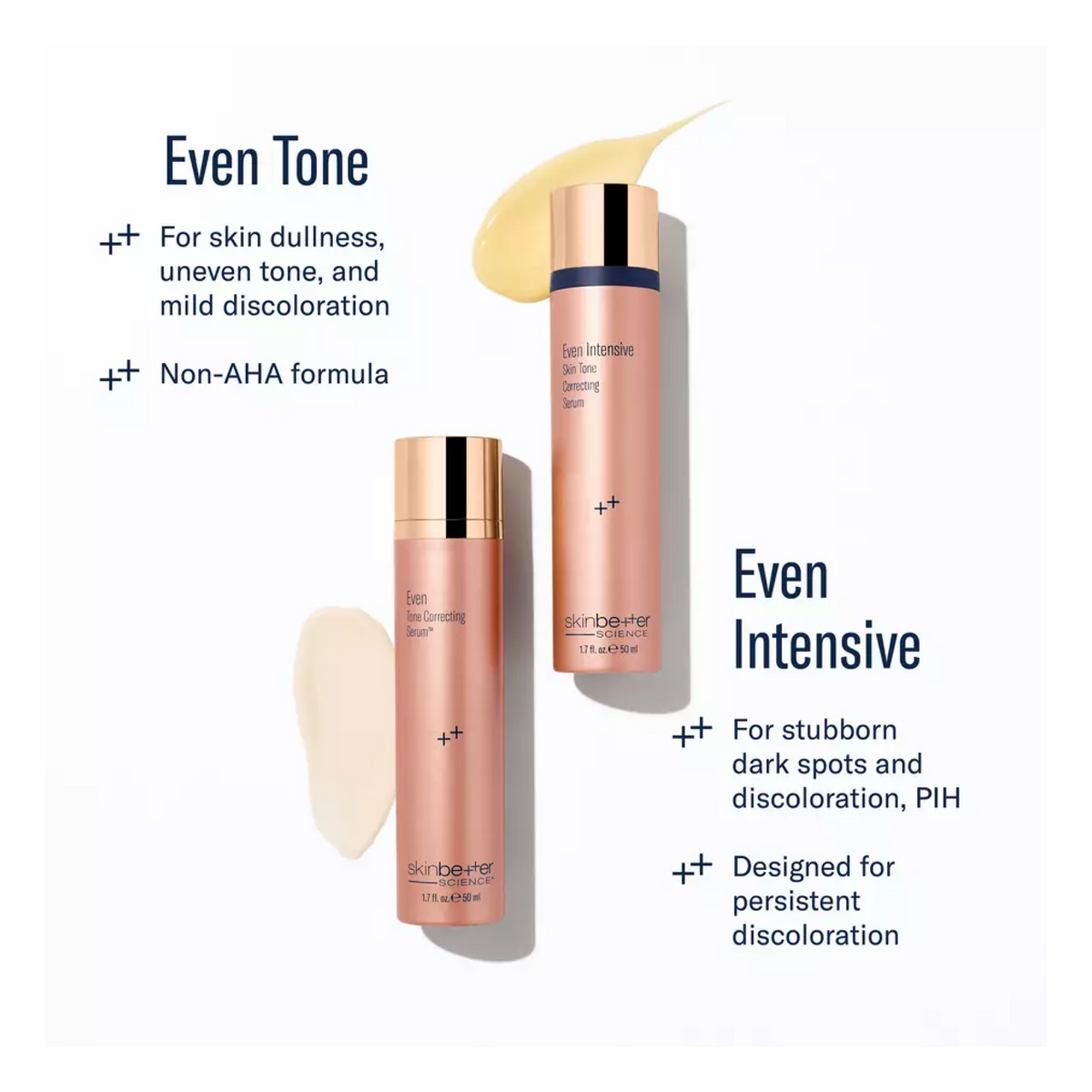
Even Intensive Skin Tone Correcting Serum is skinbetter science's most advanced tone corrector, built on two proprietary biotechnologies. b.r.y.t.e.r. Biotechnology (brown, red, yellow tones, enhanced resurfacing) combines vitamin C, an AHA blend of lactic, glycolic and citric acids, alpha-arbutin, niacinamide, tranexamic acid and phenylethyl resorcinol to visibly correct the full spectrum of uneven tone, not just brown spots. TAP Biotechnology, the patented Allyl PQQ antioxidant, plus superoxide dismutase help defend against the environmental stress that drives new discoloration, while a soothing blend of aloe, ergothioneine and phloretin keeps it comfortable twice a day. Hydroquinone free, fragrance free and RIPT tested. One size: 1.7 fl oz (50 ml), $190, with 3 x 15 ml and 6 x 5 ml travel packs also available.
| US
Preferred Authorized skinbetter science US RetailerSourced direct through official skinbetter science channels: guaranteed authentic, batch-fresh, fast US shipping.
The problem
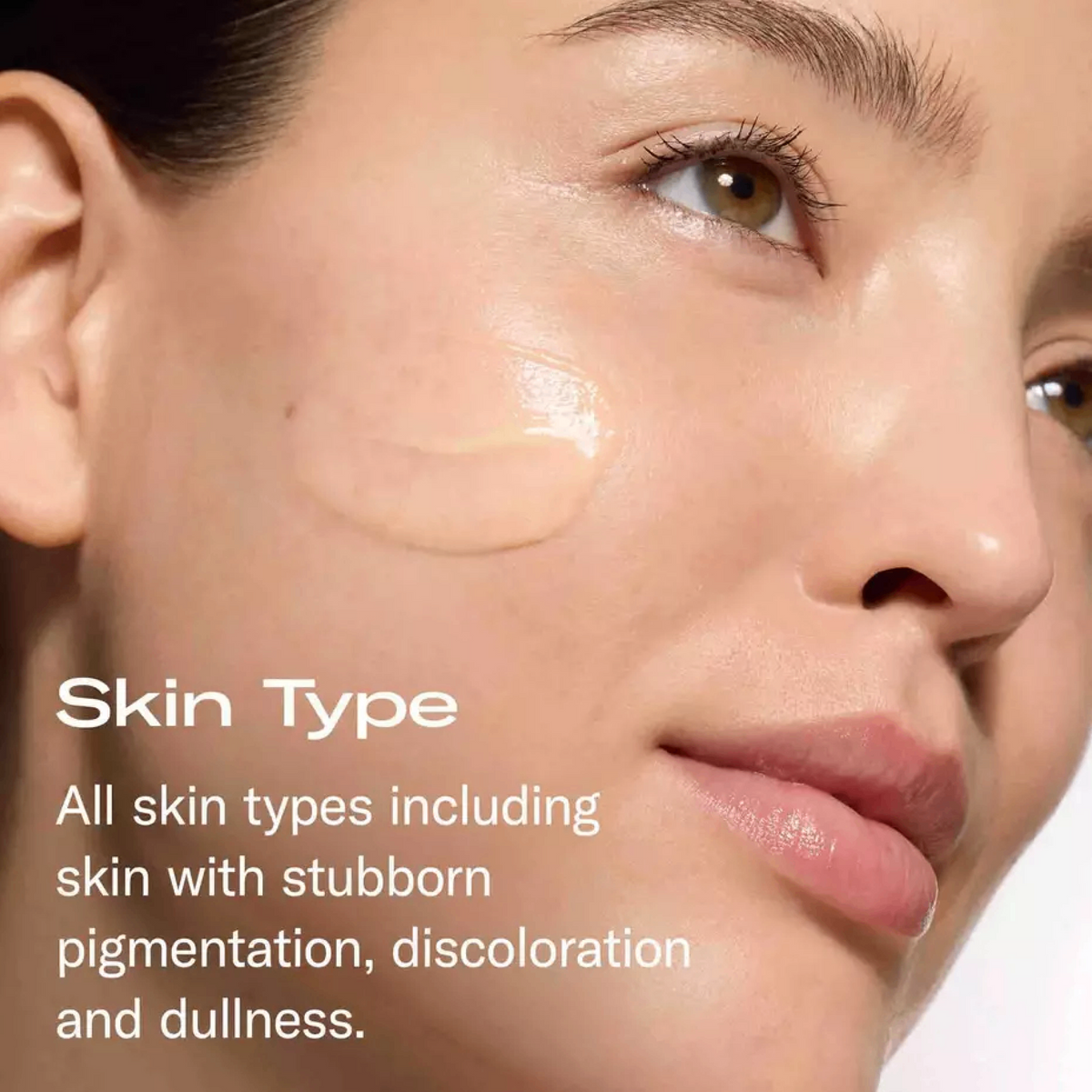
Most brightening serums chase one thing: brown pigment. That is why so many people finish a bottle with slightly lighter spots on skin that still looks sallow, flushed and dull. Stubborn discoloration is rarely one colour. It is brown marks sitting on a yellow cast, ringed by lingering redness, on a rough surface that scatters light and makes everything read darker than it is. ·
Multi-Tone Correction for Discoloration That Has Not Budged
Even Intensive was formulated to correct all three tones at once. b.r.y.t.e.r. Biotechnology layers complementary non-hydroquinone actives so no single pathway has to be pushed to the point of irritation, and its lactic, glycolic and citric acid blend resurfaces at the same time. — In a 12-week study of 40 patients with mild-to-severe pigmentation, twice-daily use produced a 42% significant mean improvement in the appearance of pigmentation by MASI measurement, alongside 47% in the look of dullness and 46% in the look of roughness (Journal of Drugs in Dermatology, 2026).